
Furniture Decoupage: Complete Guide to Transforming Your Pieces
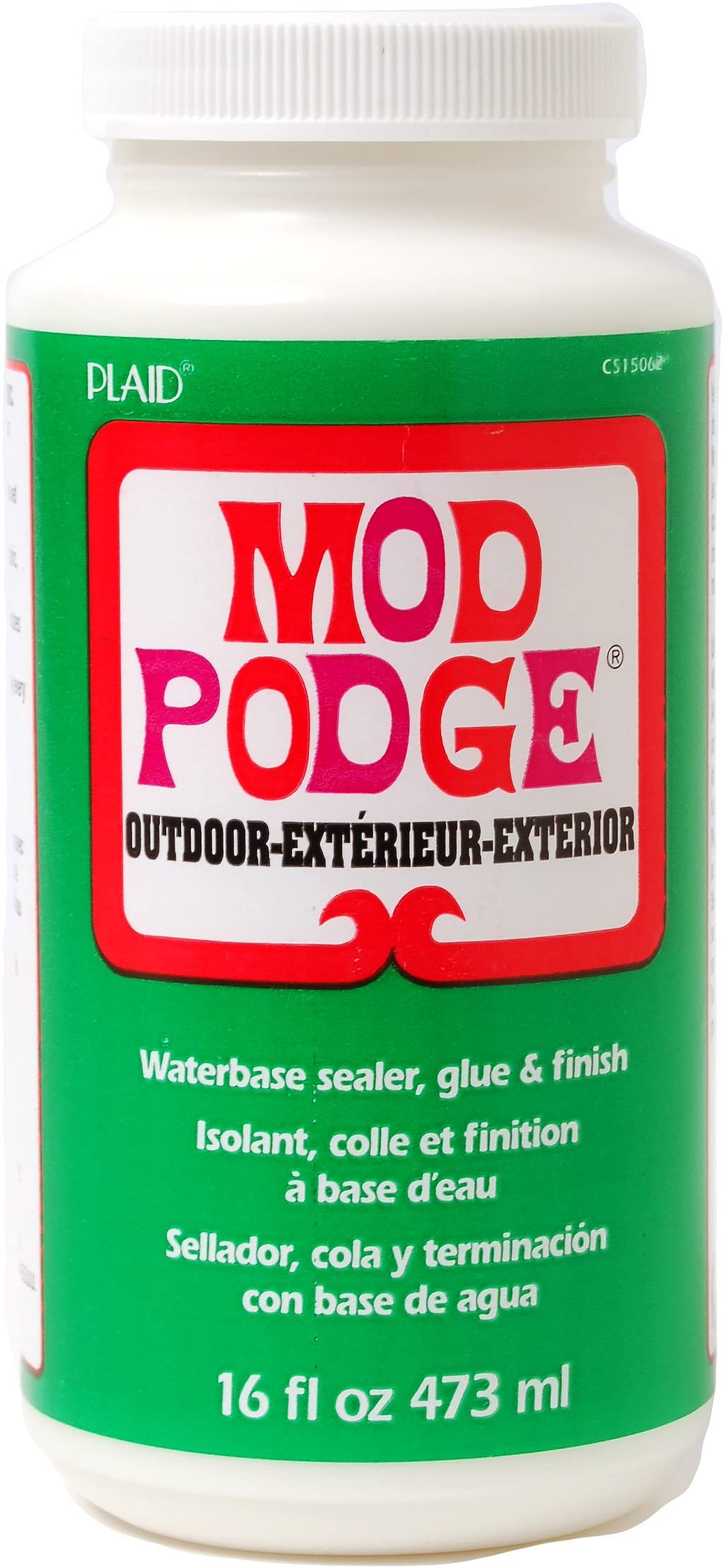
Mod Podge Outdoor Formula
Weather-resistant adhesive perfect for outdoor furniture projects. This waterproof formula creates a protective seal that withstands moisture, UV rays, and temperature changes while maintaining flexibility and durability for long-lasting furniture transformations.
Key Features:
- Waterproof and weatherproof protection
- UV-resistant formula prevents fading
- Flexible finish that won’t crack
- Easy brush-on application
- Clear protective coating
- Suitable for all outdoor materials
- Quick 15-minute drying time
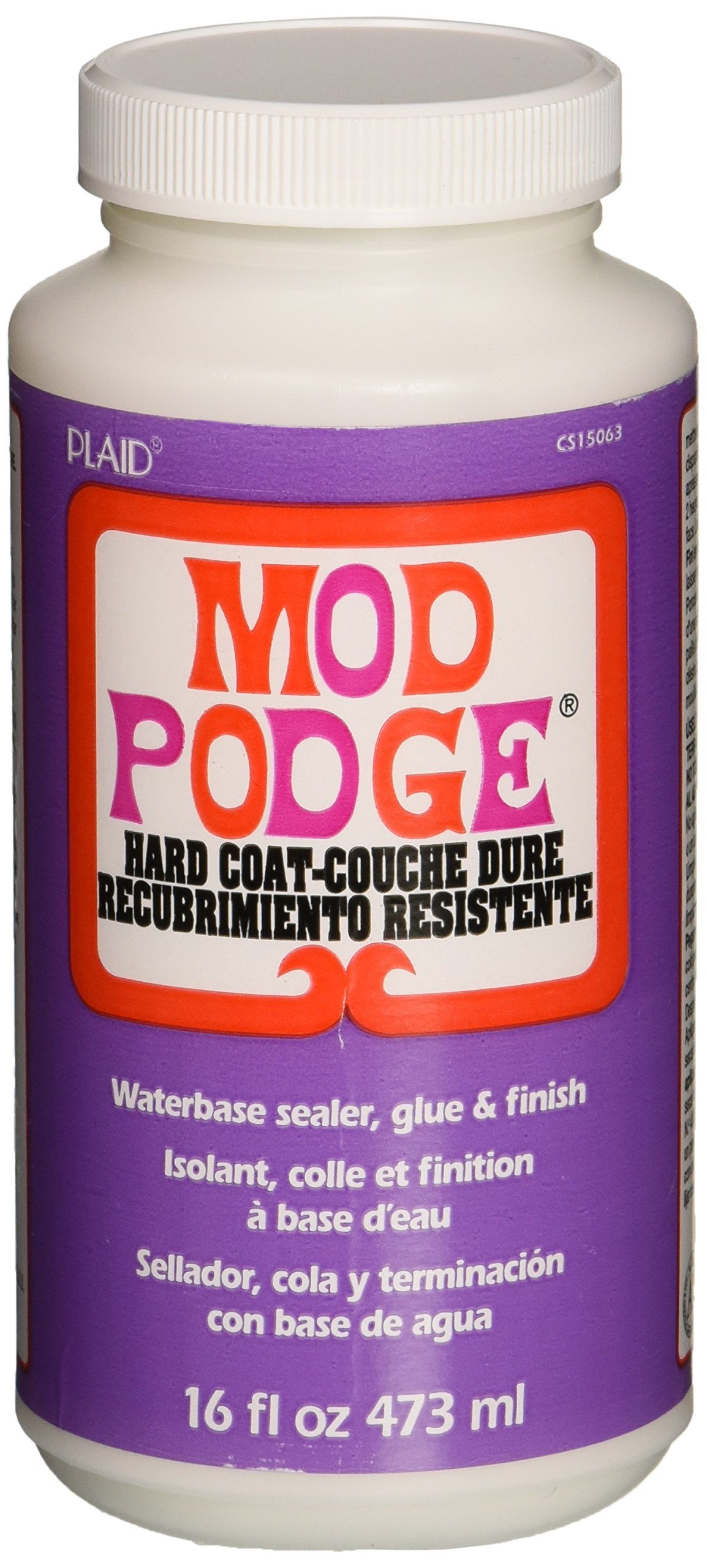
Mod Podge Hard Coat
Ultra-durable finish designed for high-traffic furniture pieces. This professional-grade formula provides exceptional protection against scratches, water damage, and daily wear while creating a smooth, glass-like surface perfect for tables and frequently used items.
Key Features:
- Extra hard protective surface
- Scratch and water resistant
- Crystal clear finish
- Self-leveling application
- Heat resistant up to 150°F
- Non-yellowing formula
- Professional durability
- Smooth glass-like coating
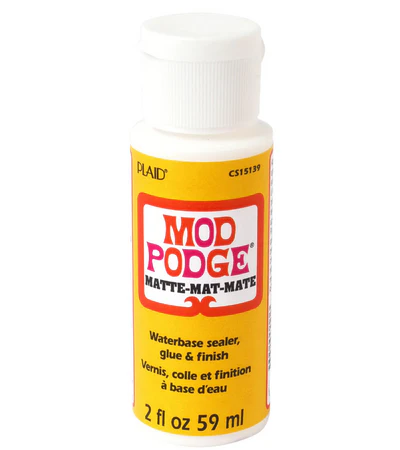
Mod Podge Matte Finish
Classic matte formula ideal for vintage and rustic mod podge furniture projects. This versatile adhesive and sealer combination provides excellent coverage while maintaining a natural, non-reflective appearance that enhances decorative papers and fabrics beautifully.
Key Features:
- Non-reflective matte finish
- Excellent paper adhesion
- Smooth brush application
- Quick-drying formula
- Non-toxic and safe
- Easy cleanup with water
Getting Started with Mod Podge Furniture Projects
Transforming furniture through decoupage opens up endless creative possibilities for personalizing your home décor. Mod podge furniture projects allow you to breathe new life into old pieces while expressing your unique style through decorative papers, fabrics, and images.
The beauty of mod podge furniture lies in its accessibility to crafters of all skill levels. Whether you’re working with a simple side table or an elaborate dresser, the basic techniques remain consistent while offering room for creative interpretation.
Choosing the Right Furniture Pieces
Successful mod podge furniture projects start with selecting appropriate pieces that will showcase your design vision. Flat surfaces work best for beginners, making tables, drawer fronts, and cabinet doors ideal starting points.
Consider the furniture’s intended use when planning your project. High-traffic pieces like dining tables require more durable finishes, while decorative items offer more flexibility in material choices and techniques.
Essential Materials and Tools for Furniture Decoupage
Gathering the right supplies ensures your mod podge furniture project achieves professional-looking results. Quality materials make the difference between a craft project and a stunning furniture transformation that lasts for years.
Beyond the adhesive medium, you’ll need appropriate brushes, cutting tools, and protective equipment to execute your vision safely and effectively. Investing in proper tools upfront saves time and frustration during the creative process.
Paper and Fabric Selection
Choosing materials for mod podge furniture requires balancing aesthetics with durability. Decorative scrapbook paper works beautifully for low-traffic areas, while fabric choices should consider the furniture’s function and location.
Vintage maps, music sheets, and botanical prints create timeless looks perfect for traditional mod podge furniture styles. Modern geometric patterns and bold colors suit contemporary spaces and younger audiences.
Brush and Application Tools
Foam brushes provide smooth, even coverage for large furniture surfaces while minimizing brush marks in your finished piece. Detail brushes help navigate corners, edges, and intricate areas where precision matters most.
Brayer tools eliminate air bubbles and ensure complete adhesion between your decorative materials and furniture surface. These simple tools dramatically improve the professional appearance of mod podge furniture projects.
Step-by-Step Furniture Decoupage Techniques
Mastering the fundamental techniques of furniture decoupage ensures consistent, professional results across all your mod podge furniture projects. Following proven methods eliminates common mistakes while building confidence for more ambitious undertakings.
Proper surface preparation forms the foundation of successful mod podge furniture transformation. Taking time with this crucial step prevents adhesion problems and finish imperfections that compromise your final results.
Surface Preparation Methods
Cleaning furniture thoroughly removes dirt, grease, and old finishes that interfere with proper adhesion. Sand glossy surfaces lightly to create tooth for better mod podge furniture bonding while maintaining the underlying structure.
Fill any dents, scratches, or imperfections with wood filler before beginning your decorative work. Smooth, properly prepared surfaces showcase your design choices beautifully while ensuring longevity.
Application Techniques
Work in manageable sections when covering large furniture pieces to maintain proper working time with your adhesive medium. Apply thin, even coats to prevent wrinkles and bubbles in your decorative materials.
Overlapping edges slightly creates seamless transitions between paper or fabric pieces on your mod podge furniture. Plan your pattern layout before beginning to ensure balanced, visually appealing results.
Design Ideas and Creative Inspiration
Drawing inspiration from various design styles helps create mod podge furniture pieces that complement your existing décor while expressing personal creativity. From vintage charm to modern sophistication, decoupage techniques adapt to any aesthetic preference.
Layering different materials and techniques adds depth and visual interest to mod podge furniture projects. Combining papers with fabric accents or incorporating stenciled elements creates unique, custom pieces impossible to find in stores.
Vintage and Antique Styles
Vintage-inspired mod podge furniture captures timeless elegance through carefully chosen materials and classic color palettes. Old sheet music, botanical illustrations, and aged maps create authentic period looks that enhance traditional home décor.
Distressing techniques applied after decoupage completion add authentic aging effects to new mod podge furniture pieces. Light sanding at edges and high-wear areas mimics natural aging patterns found on genuine antiques.
Modern and Contemporary Approaches
Contemporary mod podge furniture embraces bold patterns, vibrant colors, and geometric designs that make strong style statements. Clean lines and minimalist approaches suit modern living spaces while maintaining the handcrafted appeal of decoupage.
Metallic accents and specialty papers add glamour and sophistication to mod podge furniture projects. These premium materials elevate simple pieces into statement furniture worthy of prominent display locations.
Protective Finishes and Maintenance
Protecting your completed mod podge furniture with appropriate topcoats ensures years of enjoyment from your creative efforts. Different use requirements call for specific protective finishes that balance appearance with durability needs.
Regular maintenance keeps mod podge furniture looking fresh and prevents minor issues from becoming major problems. Simple care routines preserve both the decorative elements and underlying furniture structure effectively.
Choosing the Right Topcoat
High-traffic mod podge furniture requires extra-durable protective finishes that resist scratches, moisture, and daily wear. Consider the specific challenges your piece will face when selecting appropriate protection levels.
Matte finishes preserve the natural appearance of papers and fabrics while providing essential protection. Gloss options enhance colors and create easy-to-clean surfaces perfect for frequently used mod podge furniture pieces.
Long-term Care Strategies
Gentle cleaning with appropriate products maintains the beauty of mod podge furniture without damaging decorative elements or protective finishes. Avoid harsh chemicals that can soften or discolor your carefully applied materials.
Periodic inspection identifies potential issues before they compromise your mod podge furniture integrity. Addressing small problems promptly prevents costly repairs or complete refinishing projects.
Troubleshooting Common Issues
Even experienced crafters encounter challenges when creating mod podge furniture, but knowing how to address common problems saves projects and reduces frustration. Understanding prevention strategies helps avoid issues entirely while building technical skills.
Most mod podge furniture problems stem from inadequate preparation or improper application techniques rather than material defects. Identifying root causes helps prevent recurring issues in future projects.
Addressing Bubbles and Wrinkles
Air bubbles trapped under decorative materials create unsightly bumps that compromise the smooth finish expected from professional mod podge furniture projects. Working slowly and using proper tools prevents most bubble formation during application.
Wrinkles often result from excessive adhesive application or working too quickly with large material pieces. Taking time to smooth each section thoroughly creates the flawless appearance that distinguishes quality mod podge furniture transformations.
Fixing Adhesion Problems
Poor adhesion between decorative materials and furniture surfaces usually indicates inadequate preparation or contaminated work areas. Clean application prevents most adhesion issues while ensuring long-lasting mod podge furniture results.
Edges lifting over time suggest insufficient sealing or exposure to moisture beyond the protective finish capabilities. Proper material selection and application techniques prevent these frustrating failures in mod podge furniture projects.
Frequently Asked Questions
Transform Your Space with Beautiful Furniture Decoupage
Creating stunning mod podge furniture opens up endless possibilities for personalizing your living space while developing valuable crafting skills. The techniques and strategies covered in this guide provide the foundation for successful furniture transformation projects that reflect your unique style and creativity.
Whether you’re refreshing a single piece or undertaking a complete room makeover, mod podge furniture projects offer an affordable alternative to purchasing new items while contributing to sustainable decorating practices. The satisfaction of creating beautiful, functional pieces with your own hands adds personal meaning to every transformed item.
Starting with simple projects builds confidence and technical skills that support more ambitious mod podge furniture undertakings in the future. Each completed piece teaches valuable lessons about material selection, application techniques, and finishing methods that improve your overall crafting abilities.
With proper materials, adequate preparation, and attention to detail, your mod podge furniture projects will provide years of enjoyment while showcasing your creative vision. Begin your furniture transformation journey today and discover the rewarding world of decorative decoupage techniques.